Nov Back to list
Razor Wire Security Perimeter Performance Analysis
Physical security begins where visibility ends, often requiring a psychological and physical deterrent that communicates a clear boundary. In high-security environments, the transition from a standard fence to a high-deterrent barrier is critical for preventing unauthorized ingress and protecting sensitive assets.
While many rely on traditional barbed wire, the shift toward specialized barriers has introduced a level of deterrence that is significantly more difficult to bypass. The efficacy of these systems depends not just on the sharpness of the material, but on the geometric configuration and the material's resistance to environmental degradation.
Evaluating the right security perimeter requires an understanding of how different metallic structures interact with potential threats. By analyzing the deployment of razor wire alongside other metal fencing solutions, facility managers can build a tiered defense strategy that balances safety, legality, and long-term durability.
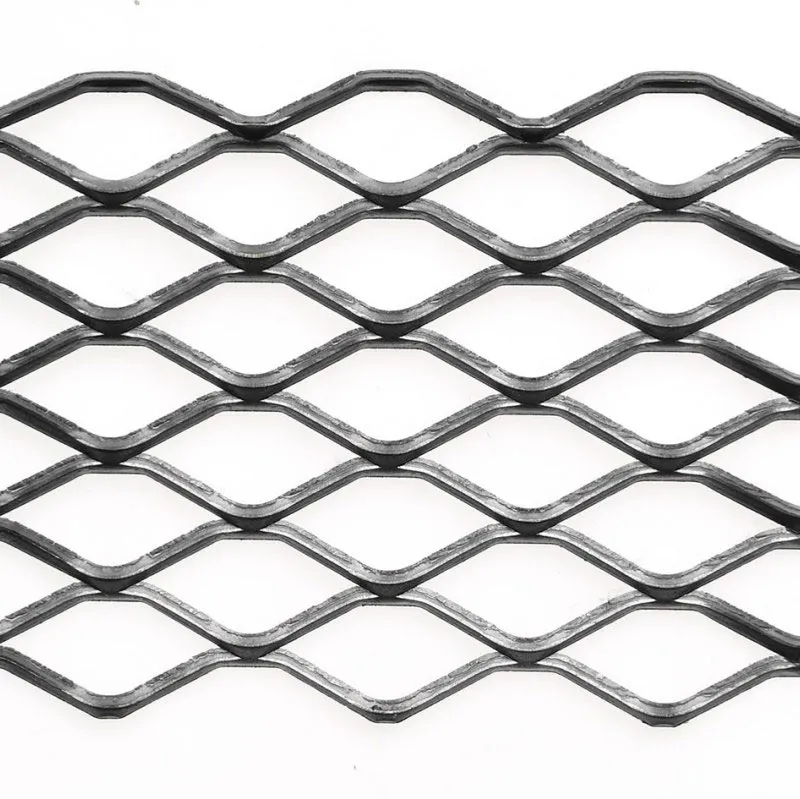
Professional installation of high-tensile security barriers for industrial perimeter protection.
◆ ◆ ◆
In This Article
◆ ◆ ◆
The Evolution of Perimeter Deterrents
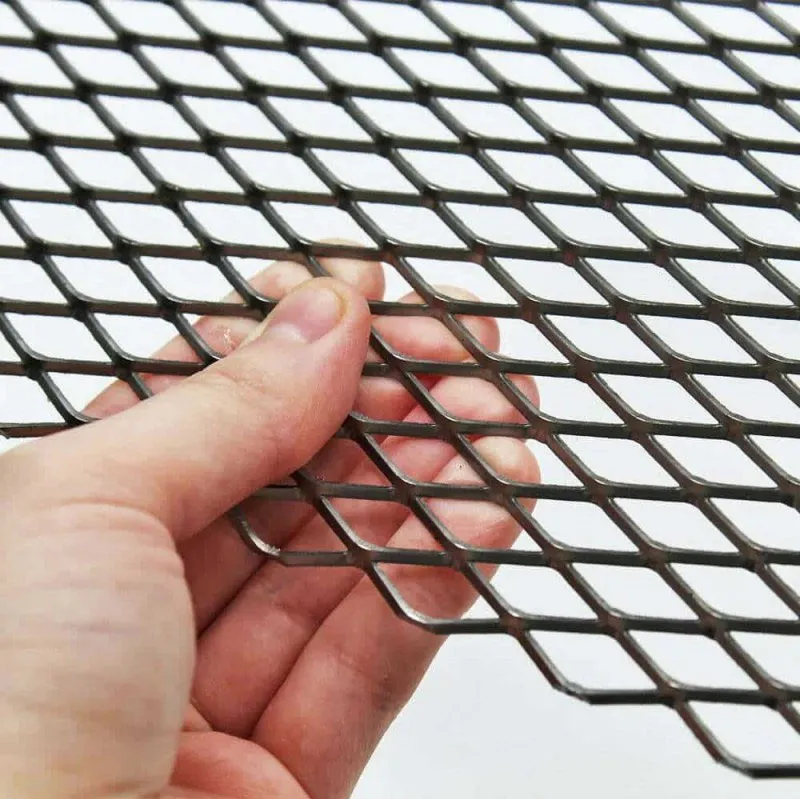
Detail of high-strength metallic components used in industrial security layering.
Security boundaries have transitioned from simple physical obstacles to complex psychological deterrents. Early fencing relied on height and basic tensile strength, but as breach techniques evolved, the industry shifted toward "aggressive" materials that cause immediate difficulty for intruders.
The development of the concertina design marked a turning point, allowing for a deployable, coil-based system that creates a three-dimensional void of danger. This geometric shift ensured that attackers could not simply climb over a linear wire but were instead entangled in a concentrated mass of sharp edges.
—
Structural Mechanics of High-Security Barriers
The effectiveness of a security barrier is determined by its "cut-resistance" and "climb-inhibiting" properties. Unlike standard woven wire, high-security deterrents utilize a combination of high-carbon steel cores and precision-stamped blades. The core provides the structural integrity required to prevent the fence from sagging or being easily pulled down, while the blades provide the immediate deterrent.
From a design perspective, the spacing of the coils and the diameter of the loop are calculated to prevent a human body from finding a stable footing or a gap large enough to pass through without contact. This creates a "danger zone" that is physically taxing and mentally intimidating to navigate.
Furthermore, the integration of these systems with base structures—such as expanded metal mesh or welded wire frames—creates a composite barrier. The base provides the rigidity, while the top-mounted deterrent handles the anti-climb function, ensuring that the perimeter is secure from both the ground up and the top down.
—
Material Science and Environmental Resilience
Material selection is the primary determinant of a barrier's lifecycle. In coastal or high-humidity environments, standard steel fails rapidly due to oxidation. This necessitates the use of advanced coatings such as hot-dip galvanizing or PVC encapsulation, which seal the metal from atmospheric corrosive agents.
The true value of a security perimeter lies not in its initial installation, but in its ability to maintain tensile strength and sharpness across a decade of exposure to salt spray, UV radiation, and extreme temperature fluctuations.
For environments requiring extreme corrosion resistance, stainless steel (304 or 316) is the industry standard. While the initial investment is higher, the reduction in maintenance costs and the elimination of rust-induced structural failure make it the only viable choice for chemical plants or marine installations.
—
Deterrence Efficiency Index
When comparing different security options, facility managers often use a relative efficiency index to determine the best return on investment. This index weighs the "time to breach" against the "installation cost" and "maintenance requirement."
A higher value indicates a more effective deterrent. While standard chain-link fences provide basic boundary definition, the addition of specialized wire toppers exponentially increases the time required for an unauthorized person to penetrate the perimeter, thereby increasing the likelihood of detection by security personnel.
Figure 2. Relative Deterrence Value by Barrier Type
—
Strategic Deployment Scenarios
In a typical industrial setting, such as a warehouse or a utility substation, the deployment of security barriers is tiered. The outer layer consists of a standard boundary fence, while the inner "critical zone" utilizes a combination of expanded metal mesh and razor wire to prevent any rapid intrusion.
For municipal infrastructure, like subway platform protection or highway sound barriers, the focus shifts toward preventing accidental falls or intentional debris throwing. In these cases, the mesh density and the height of the barrier are prioritized over aggressive deterrents to balance public safety with operational security.
—
Integration with Hybrid Fencing Systems
The modern trend in security is the "hybrid system," where different types of metalwork are combined to eliminate the weaknesses of any single material. For example, using expanded metal mesh as a base provides an anti-cut, non-climbable surface that is far more rigid than traditional chain link.
When this rigid base is topped with a high-tensile coil system, the result is a barrier that resists both cutting (at the base) and climbing (at the top). This approach is particularly effective for high-value assets where the cost of a breach far outweighs the cost of a premium installation.
Companies like Anping County Jinzehong Wire Mesh Products Co., Ltd. leverage decades of experience in wire fabrication to provide these integrated solutions, ensuring that the transition between the structural mesh and the security topper is seamless and structurally sound.
—
Selection Framework for Security Procurement
Procuring the right security system requires a methodical analysis of risk versus cost. A common mistake is selecting the most aggressive material without considering the installation environment or local legal regulations regarding "dangerous" barriers.
The evaluation should begin with a site survey to identify "weak points"—areas with low visibility or easy access—and then apply the appropriate level of deterrence. Low-risk areas may only require standard galvanized fencing, while high-risk entry points demand reinforced systems.
The following framework provides a relative assessment of different materials based on typical industrial requirements.
| Material Type | Climb Resistance | Cut Resistance | Environmental Life |
|---|---|---|---|
| Galvanized Steel | Moderate | Low | Medium |
| Stainless Steel | Moderate | Medium | High |
| Expanded Mesh | High | High | Medium-High |
| Coated Razor Wire | Very High | Medium | High |
| Alloy Steel Core | High | Very High | Medium |
| PVC Encapsulated | Very High | Medium | Very High |
◆ ◆ ◆
Questions & Answers
What distinguishes razor wire from standard barbed wire?
Standard barbed wire consists of a wire with small, sharp points spaced at intervals, primarily designed to deter livestock. Razor wire, however, uses precision-stamped metal strips (razors) that are wrapped around a core wire. This creates a much more aggressive cutting edge and a complex geometric structure that is significantly harder to cut through or climb over, making it a security-grade deterrent rather than a simple agricultural boundary.
Which coating is best for coastal security installations?
For coastal environments, hot-dip galvanizing is a minimum requirement, but PVC coating or the use of Grade 316 stainless steel is highly recommended. Salt spray accelerates the oxidation of carbon steel; PVC encapsulation provides a physical barrier that prevents salt and moisture from reaching the metal core, while stainless steel offers inherent chemical resistance to chlorides, ensuring the barrier remains structural and sharp for many years.
Can razor wire be combined with expanded metal mesh?
Yes, this is considered a best-practice hybrid security approach. Expanded metal mesh provides a rigid, anti-climb, and anti-cut base that prevents intruders from creating gaps in the fence. Placing razor wire coils on top of this structure adds a psychological and physical layer of deterrence. This combination ensures that the perimeter is secure from the ground up, eliminating the "weak top" problem found in standard chain-link installations.
How do I determine the correct coil diameter for a facility?
The choice of coil diameter (typically ranging from 300mm to 900mm) depends on the required level of security. Smaller diameters are often used for top-of-wall installations where space is limited, while larger diameters (such as 900mm) are used for ground-deployed concertina wire. Larger coils create a deeper "danger zone" that is more difficult for an intruder to compress or bridge with tools, providing a higher level of deterrence.
Is razor wire more cost-effective than electronic security?
They serve different purposes. Electronic security (sensors, cameras) provides detection, while razor wire provides deterrence and delay. A physical barrier is "always on" and requires no power, making it a highly cost-effective first line of defense. The most efficient security budgets allocate funds to physical barriers to delay intruders, which then allows electronic detection systems more time to alert security teams before a breach occurs.
What are the common maintenance requirements for high-security fencing?
Maintenance primarily involves checking for tension loss and corrosion. Over time, extreme weather or attempted breaches can cause coils to sag or anchors to loosen. Regular inspections should focus on the connection points between the security wire and the main fence. In high-corrosion areas, checking for "pitting" or cracks in PVC coatings is essential, as these can become entry points for rust that weakens the structural integrity of the core wire.
◆ ◆ ◆
Final Thoughts
Effective perimeter security is not about the single "strongest" material, but about the strategic layering of deterrents. By integrating high-tensile razor wire with structural foundations like expanded metal mesh, facility managers can create a barrier that is both physically imposing and environmentally durable.
Ultimately, the goal of a high-security fence is to maximize the "time to breach," providing the necessary window for detection and response. Investing in professional-grade materials and scientifically designed configurations ensures that a perimeter remains a reliable asset rather than a liability over its operational lifespan.
Latest news
- gabion wire mesh technical specifications and performance analysis
- Barbed Wire Technical Specifications and Performance Analysis
- perforated metal sheet technical selection and performance analysis
- Razor Wire Security Perimeter Performance Analysis
- Perforated Metal Noise Barriers Performance Analysis
