Nov Back to list
perforated metal sheet technical selection and performance analysis
Selecting the right industrial filtration or partitioning material often comes down to a balance between structural rigidity and permeability. In the realm of metal fabrication, the perforated metal sheet stands as a critical component for engineers and architects who need to control airflow, light transmission, or liquid drainage without sacrificing the strength of the substrate.
The shift toward sustainable architecture and precision manufacturing has pushed the boundaries of how these sheets are produced. No longer limited to simple industrial grates, modern advancements in punching and weaving technologies allow for highly customized patterns that serve both functional and aesthetic purposes in commercial and residential spaces.
This report examines the technical selection criteria for perforated metal systems, comparing their performance against woven alternatives and exploring the material science that ensures longevity in corrosive environments.
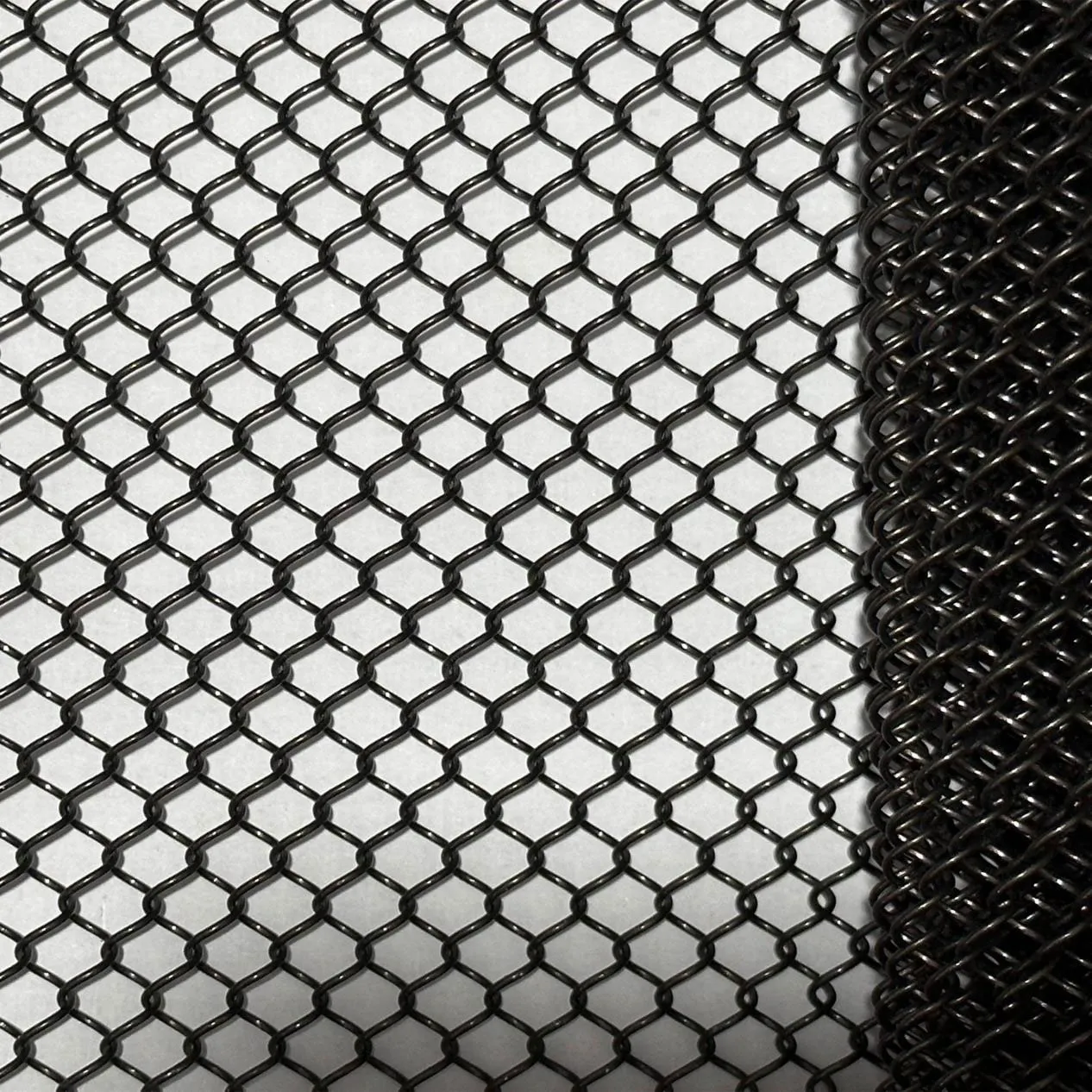
A detailed view of industrial-grade perforated metal sheets utilized for precision filtering and structural partitioning.
◆ ◆ ◆
In This Article
◆ ◆ ◆
Material Fundamentals of Perforated Systems
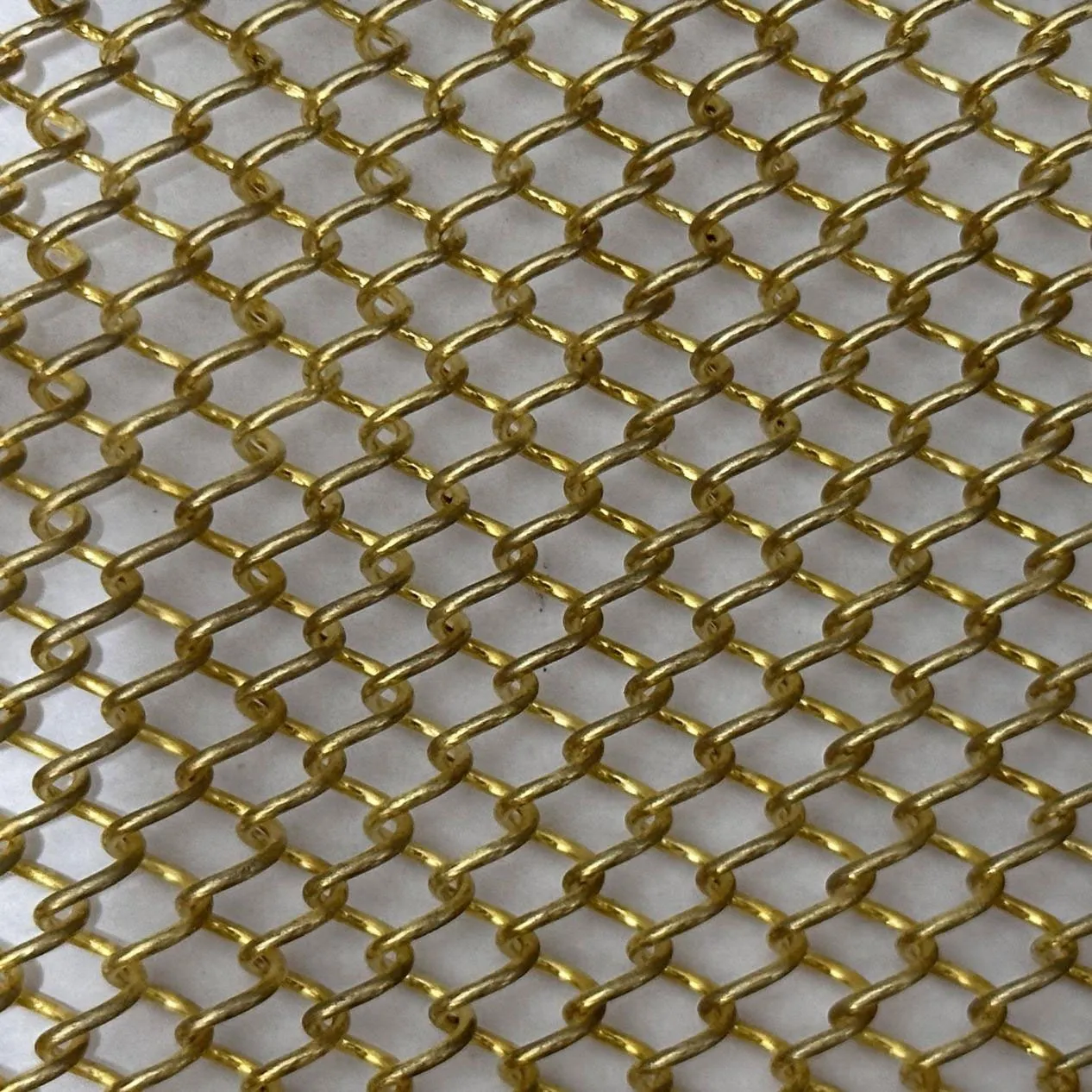
Comparison of woven mesh and perforated sheet textures for architectural use.
At its core, a perforated metal sheet is a metal plate with a regular pattern of holes. These are typically created through mechanical punching or laser cutting. The choice of base material—ranging from 304 and 316 stainless steel to aluminum alloys and brass—determines the sheet's resistance to oxidation and its mechanical load-bearing capacity.
In the context of the wire mesh industry, companies like Anping County Jinzehong Wire Mesh Products Co., Ltd. integrate these perforated solutions alongside woven filters, ensuring that whether a project requires the rigidity of a punched plate or the flexibility of a woven curtain, the metallurgical properties remain consistent.
—
Technical Design Logic and Hole Geometry
The efficiency of a perforated sheet is governed by the "Open Area Percentage," which is the ratio of the hole area to the total surface area. This calculation is vital for HVAC systems and filtration units where a specific CFM (Cubic Feet per Minute) of airflow must be maintained. Designers must balance hole diameter and pitch (the distance between hole centers) to avoid compromising the structural integrity of the sheet.
Beyond simple circles, staggered and inline patterns significantly alter the flow dynamics and visual transparency. Staggered patterns generally provide higher open areas and better strength distribution, making them the preferred choice for industrial flooring or heavy-duty filter elements.
Precision in the punching process also prevents material deformation. High-end manufacturing employs deburring processes to ensure that no sharp edges remain, which is critical for applications like architectural curtains or food-grade filtration where safety and surface smoothness are non-negotiable.
—
The Interplay of Strength and Permeability
One of the primary engineering challenges is the trade-off between the amount of material removed (permeability) and the remaining structural stiffness. As the open area increases, the sheet's ability to resist bending and shear forces decreases.
The optimal perforated design is not the one with the most holes, but the one where the ligament width—the material between the holes—is precisely calibrated to the expected mechanical load and environmental stress.
To mitigate strength loss, engineers often employ surface treatments or fold the edges of the sheet to create structural ribs. In high-corrosion environments, such as coastal installations, the use of 316 stainless steel ensures that the reduced mass of the perforated sheet does not lead to premature failure through pitting or crevice corrosion.
—
Performance Index Across Metal Alloys
Different alloys respond differently to the perforation process and subsequent environmental exposure. For instance, aluminum is prized for its weight-to-strength ratio and natural oxide layer, whereas brass is often selected for its acoustic properties and decorative warmth in luxury interiors.
When evaluating these materials, we look at a relative index of corrosion resistance, tensile strength, and ease of fabrication. This allows procurement officers to align the material choice with the specific lifecycle requirements of the project.
Figure 2. Material Performance Comparison Index
—
Deployment in Commercial and Artistic Spaces
Modern architecture has transitioned from using perforated sheets solely for utility to employing them as "breathing skins" for buildings. These installations manage solar heat gain while allowing natural ventilation. In interior design, the use of metal mesh curtains—woven from stainless steel—creates a "hazy privacy" effect, defining zones in open-concept offices or hotel lobbies without blocking the visual flow of the space.
The aesthetic versatility is further enhanced by surface finishes. Mirror, brushed, and titanium coatings (including rose gold and black titanium) transform an industrial component into a luxury design element. This blend of industrial toughness and modern elegance allows a single material to function as both a secure partition and a piece of sculptural art.
—
Future Trajectories in Metal Surface Engineering
The industry is moving toward "intelligent perforation," where hole sizes and densities vary across a single sheet to create organic gradients or acoustic diffusion patterns. This is driven by the integration of algorithmic design and CNC laser cutting, allowing for a level of customization that was previously cost-prohibitive.
Sustainability is also redefining material choices. The shift toward 100% recyclable stainless steel and aluminum alloys reduces the lifetime environmental impact of construction projects. Furthermore, new PVD (Physical Vapor Deposition) coating technologies are providing more durable, non-toxic color options that withstand UV exposure and extreme weather.
As we look toward 2030, the convergence of metal fabrication and smart-building technology may lead to perforated sheets that integrate sensors or adaptive shading mechanisms, turning passive partitions into active elements of building management.
—
Selection Framework for Procurement
Procuring the correct perforated metal sheet requires a systematic approach to avoid over-specification (which increases cost) or under-specification (which leads to failure). The decision process should begin with the environment: coastal areas demand 316 stainless steel, while indoor decorative tasks can utilize aluminum or brass.
Secondly, the primary function must be identified. Is the sheet intended for filtration (where open area is king), acoustic dampening (where hole size and backing material matter), or security (where ligament strength is the priority)?
Finally, the installation method—whether it be fixed partitions or track-mounted curtains—determines the required flexibility and edge treatment of the metal. The following framework provides a relative suitability guide for different project requirements.
| Application Scenario | Recommended Material | Key Technical Factor | Relative Suitability |
|---|---|---|---|
| Industrial Filtration | 304 Stainless Steel | Open Area % | High |
| Coastal Architecture | 316 Stainless Steel | Corrosion Resistance | Critical |
| Interior Partitions | Aluminum Alloy | Weight / Finish | High |
| Luxury Accents | Brass / Titanium | Visual Texture | Medium |
| Heavy Machinery Guard | Carbon Steel | Impact Strength | High |
| Acoustic Paneling | Perforated Aluminum | Hole Distribution | Medium |
◆ ◆ ◆
Questions & Answers
How does the open area percentage affect the strength of a perforated sheet?
The open area percentage is inversely proportional to the sheet's structural strength. As more material is removed to increase airflow or transparency, the remaining metal "ligaments" bear more of the load. For high-stress applications, a lower open area or a thicker base gauge is required to maintain the necessary tensile and shear strength.
Which stainless steel grade is better for outdoor installations in salty air?
Grade 316 stainless steel is significantly superior for coastal or marine environments. Unlike 304, 316 contains molybdenum, which provides enhanced resistance to chloride-induced pitting and crevice corrosion, ensuring that the perforated holes do not become initiation points for rust.
Can perforated metal sheets be used for privacy without blocking light?
Yes, this is achieved through "hazy privacy." By adjusting the hole diameter and the pitch, you can create a screen that obscures direct lines of sight from a distance while allowing ambient light to filter through. Higher weave densities in metal curtains further enhance this effect.
What is the difference between punched and laser-cut perforation?
Punching is faster and more cost-effective for high-volume, simple circular patterns, though it can cause slight deformation in thin sheets. Laser cutting offers extreme precision for complex, non-circular shapes and tighter tolerances, though it is generally slower and more expensive per unit.
Are metal mesh curtains more durable than fabric alternatives?
Metal curtains offer vastly superior durability, being fire-resistant, moisture-proof, and UV-resistant. While fabric curtains require frequent cleaning and replacement due to wear or mold, metal curtains only need occasional dusting with a damp cloth and can last for decades.
How do I choose between a staggered and an inline hole pattern?
Choose a staggered pattern if you need maximum open area and structural stability, as it distributes the load more evenly across the sheet. Choose an inline pattern for specific visual alignments or when the application requires linear flow paths for liquid or air.
◆ ◆ ◆
Final Thoughts
The utility of the perforated metal sheet extends far beyond its basic definition as a "holed plate." It is a sophisticated tool for modulating the environment—controlling how we experience light, air, and space. By understanding the critical relationship between material grade, hole geometry, and open area, engineers can create solutions that are both functionally efficient and structurally sound.
As manufacturing continues to evolve through the lens of sustainable design and digital precision, the role of these metal systems will only grow. Whether utilized as a heavy-duty industrial filter or a luxury architectural partition, the key to success lies in a data-driven selection process that prioritizes the specific environmental and mechanical demands of the application.
Latest news
- gabion wire mesh technical specifications and performance analysis
- Barbed Wire Technical Specifications and Performance Analysis
- perforated metal sheet technical selection and performance analysis
- Razor Wire Security Perimeter Performance Analysis
- Perforated Metal Noise Barriers Performance Analysis
