Nov Back to list
Decorative Wire Mesh Technical Specifications and Performance Analysis
Modern architectural safety often forces a compromise between restrictive security bars and open, breathable spaces. The challenge lies in finding a material that offers high-impact resistance without creating a "prison-like" atmosphere in residential or commercial environments.
The emergence of high-tensile stainless steel weaving has shifted this paradigm, allowing for the integration of security and aesthetics. By combining precision weaving with advanced electrostatic coatings, the industry has developed solutions that act as both a physical barrier and a design element.
Exploring the technical specifications and application logic of decorative wire mesh reveals how these materials optimize ventilation, privacy, and safety across diverse architectural scales.
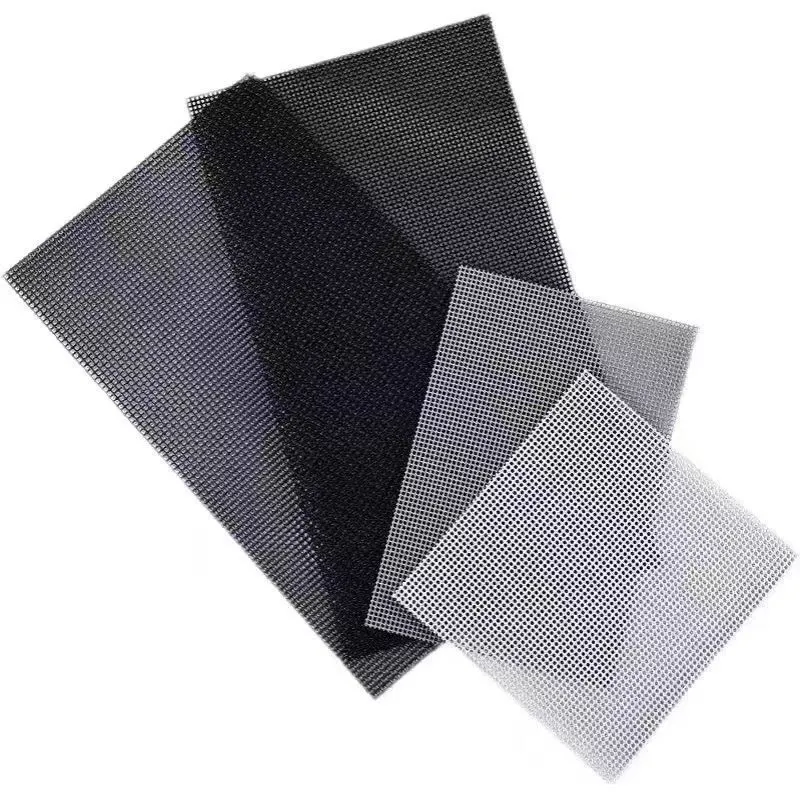
A detailed view of stainless steel decorative wire mesh showcasing precision weave and coating.
◆ ◆ ◆
In This Article
◆ ◆ ◆
The Evolution of Security Mesh
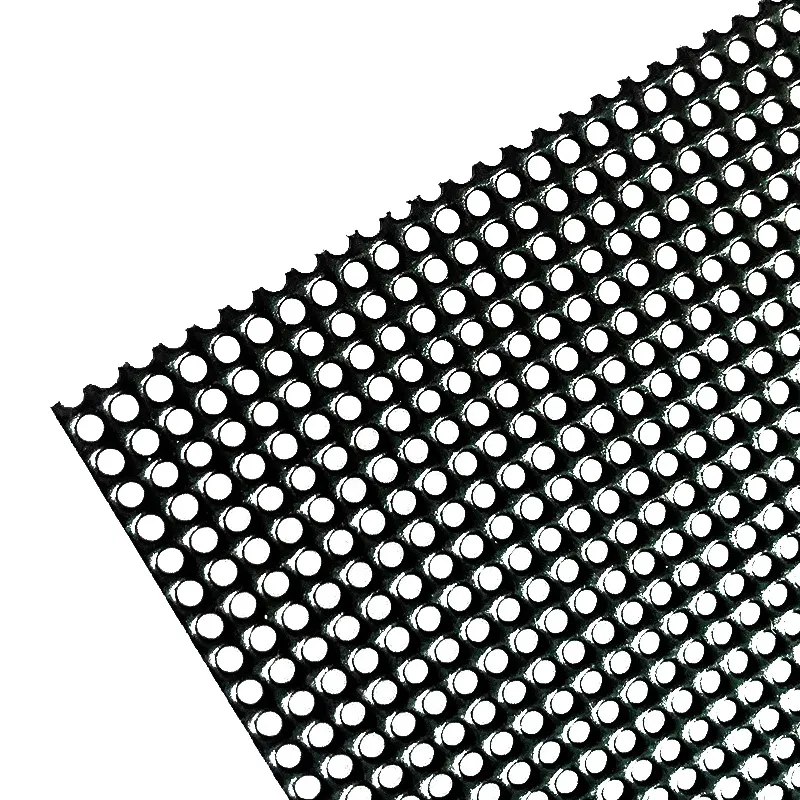
Precision weaving process using 304/316 grade stainless steel.
Historically, perimeter security relied on heavy iron bars or simple galvanized wire. While effective for deterrence, these options lacked durability against corrosion and severely limited natural airflow and light. The transition toward stainless steel mesh represents a shift from "brute force" security to "engineered" security.
Today, the focus has moved toward multifunctional mesh that combines theft prevention with environmental control. The ability to customize mesh counts and wire diameters allows the material to serve as a protective screen, a pest barrier, and a decorative architectural skin simultaneously.
—
Material Composition and Engineering
The structural integrity of a high-performance window screen depends heavily on the alloy grade. 304 and 316 stainless steel are the industry standards due to their high nickel and chromium content, which provides essential resistance to rust and corrosion, particularly in humid or coastal environments. Low carbon content is prioritized to prevent intergranular corrosion during the welding or treating process.
Beyond the base metal, the surface treatment is critical. Electrostatic spraying creates a durable, bonded layer of paint that prevents the metal from reacting with environmental pollutants while providing an insulated outer skin. This process ensures that the color—whether black, gray, or white—remains consistent and does not peel or burst under extreme temperature fluctuations.
Engineering precision is further reflected in the customization of mesh density. With options ranging from 4 mesh to 60 mesh and wire diameters from 0.12mm to 1.6mm, the mesh can be tuned for specific needs, such as blocking microscopic insects (11-14 mesh) or providing heavy-duty anti-vandalism strength.
—
Balancing Transparency and Privacy
One of the primary psychological hurdles in security installations is the "prison effect." Traditional guards block the view and restrict the feeling of openness. Advanced metal meshes solve this through the physics of light transmission and opacity.
The "Invisible Barrier" effect is achieved when the mesh density allows a high ventilation rate (over 80%) and clear internal visibility, while the exterior surface reflects enough light to blur the interior view, effectively protecting privacy without sacrificing natural lighting.
This duality is essential for high-rise residential buildings. It allows occupants to enjoy the view and fresh air while ensuring that the exterior remains a secure, opaque shell to outsiders. Furthermore, the ability to resist up to 30% of ultraviolet rays adds a layer of skin protection and reduces indoor heat gain.
—
Performance Indices in Real-World Use
Evaluating the effectiveness of security mesh requires looking at specific functional metrics. For instance, fall protection is measured by load-bearing capacity; high-grade stainless steel meshes can support over 2 tons, making them a viable safety measure for balconies with children or pets.
Similarly, anti-theft capabilities are tested against violent attempts using tools like knives or axes. The combination of a tight weave and high-tensile steel makes the mesh nearly impossible to cut quickly, providing critical time for security responses.
Figure 2. Functional Performance Relative Index
—
Diverse Application Scenarios
In residential settings, these screens are most effective in bedrooms and balconies where they replace fixed guardrails. This is particularly vital for emergency escape routes; unlike welded bars, customized mesh systems can be designed for rapid opening during fire emergencies, combining safety with agility.
Commercial applications extend to office buildings, hotels, and food processing plants. In laboratories or food plants, the 11-14 mesh density serves as a critical biological barrier against insects and rodents, while in hotels, it ensures that ventilation shafts remain secure and debris-free without obstructing airflow.
—
Future Trends in Metal Weaving
The industry is moving toward "intelligent materials" where the mesh is not just a passive barrier but an active part of the building's energy strategy. By optimizing the ventilation rate and UV reflection, these screens are helping reduce the reliance on heavy air conditioning in warmer climates.
We are also seeing a rise in aesthetic diversification. Beyond standard black and white, customized colors are being used to match specific architectural palettes, allowing the mesh to blend seamlessly into the building's facade. This transforms the security screen from a utility into a design statement.
The integration of more precise weaving algorithms is also allowing for variable-density mesh—where the center of a screen may be more transparent while the edges are reinforced for strength, optimizing both cost and performance.
—
Selection Framework for Buyers
Selecting the right mesh requires a trade-off analysis between security, visibility, and environmental exposure. A buyer in a coastal city must prioritize 316 stainless steel over 201 to avoid salt-spray corrosion, regardless of the initial cost difference.
Similarly, the choice between mesh counts depends on the primary threat. If the goal is purely anti-theft, a thicker wire diameter (0.8mm+) is necessary. If the goal is pest control in a humid forest area, a finer mesh (12-14 mesh) is the priority.
Anping County Jinzehong Wire Mesh Products Co., Ltd. leverages decades of experience in the metal weaving industry to provide these customized specifications, ensuring that the material properties align precisely with the environmental stressors of the installation site.
| Priority Goal | Recommended Material | Key Specification | Relative Suitability |
|---|---|---|---|
| High Security | 316 Stainless Steel | Wire Dia 0.8mm - 1.6mm | Excellent |
| Pest Control | 304 Stainless Steel | 11 - 14 Mesh Count | High |
| Coastal Areas | 316 Stainless Steel | Electrostatic Coating | Essential |
| High-Rise Safety | High-Tensile Steel | Load capacity > 2 tons | Excellent |
| Office Ventilation | 304 Stainless Steel | Ventilation Rate > 80% | High |
| Budget Residential | 201 Stainless Steel | Standard Electrostatic Spray | Moderate |
◆ ◆ ◆
Questions & Answers
What makes 316 stainless steel better than 304 for decorative mesh?
While both are high-quality, 316 stainless steel contains molybdenum, which significantly enhances its resistance to chlorides and salt spray. This makes 316 the superior choice for coastal regions or industrial areas with high chemical exposure, where 304 might eventually show signs of surface pitting.
Can these security screens be used as a replacement for traditional window bars?
Yes, high-strength metal meshes are designed specifically to replace fixed bars. They offer similar anti-theft and fall-protection properties but provide significantly better visibility, ventilation, and a more modern aesthetic, while also allowing for easier emergency egress if integrated into a movable frame.
How does electrostatic spraying improve the lifespan of the mesh?
Electrostatic spraying applies a uniform, high-adhesion coating that seals the metal from moisture and oxygen. This prevents oxidation and corrosion while providing a hard, wear-resistant surface that is easier to clean and maintains its color over years of exposure to UV rays and rain.
Will a high-security mesh block too much light from entering the room?
Not typically. By optimizing the wire diameter and mesh count, these products maintain a ventilation and light transmission rate of over 80%. This ensures that the indoor environment remains bright and airy, unlike traditional security grilles that create heavy shadows.
Is customized sizing available for irregular window shapes?
Yes, professional manufacturers provide wide customization options. Since the mesh is produced in rolls or sheets, it can be precision-cut to specific dimensions (e.g., 750mm x 2000mm or 1500mm x 3000mm) and framed to fit any architectural opening, whether residential or commercial.
How do I maintain and clean decorative metal mesh?
Due to the smooth electrostatic coating, these meshes are low-maintenance. Dust and debris can be removed using a standard vacuum cleaner, a soft brush, or a damp cloth. Because they are flame-retardant and heat-resistant, they do not warp or degrade during standard cleaning processes.
◆ ◆ ◆
Final Thoughts
The shift toward decorative wire mesh represents a broader architectural trend: the marriage of safety and transparency. By moving away from obstructive bars and toward engineered stainless steel solutions, developers and homeowners can secure their spaces without compromising the psychological and physical benefits of open air and natural light.
Ultimately, the value of these systems lies in their versatility. Whether applied as a high-altitude safety barrier, a commercial pest screen, or a residential security upgrade, the precision of the weave and the quality of the coating determine the long-term success of the installation.
Latest news
- Decorative Wire Mesh Technical Specifications and Performance Analysis
- gabion wire mesh technical specifications and performance analysis
- Barbed Wire Technical Specifications and Performance Analysis
- perforated metal sheet technical selection and performance analysis
- Razor Wire Security Perimeter Performance Analysis
