Oct Back to list
stainless steel window screen performance analysis
When selecting a high-performance screening solution for architectural or industrial openings, the balance between visibility, airflow, and durability often dictates the long-term viability of the installation. Many standard mesh options fail prematurely due to oxidation or mechanical wear, leading to frequent replacements and increased maintenance costs.
The shift toward stainless steel alternatives reflects a broader industry demand for materials that can withstand aggressive environmental conditions without compromising the structural integrity of the frame. From coastal salinity to urban pollution, the material science behind the mesh determines its resistance to corrosion and its ability to maintain tension over time.
Evaluating the technical specifications of a stainless steel window screen requires an understanding of alloy grades, weave densities, and surface treatments. This analysis explores how these variables impact operational efficiency and how to choose the right specification for specific environmental stressors.
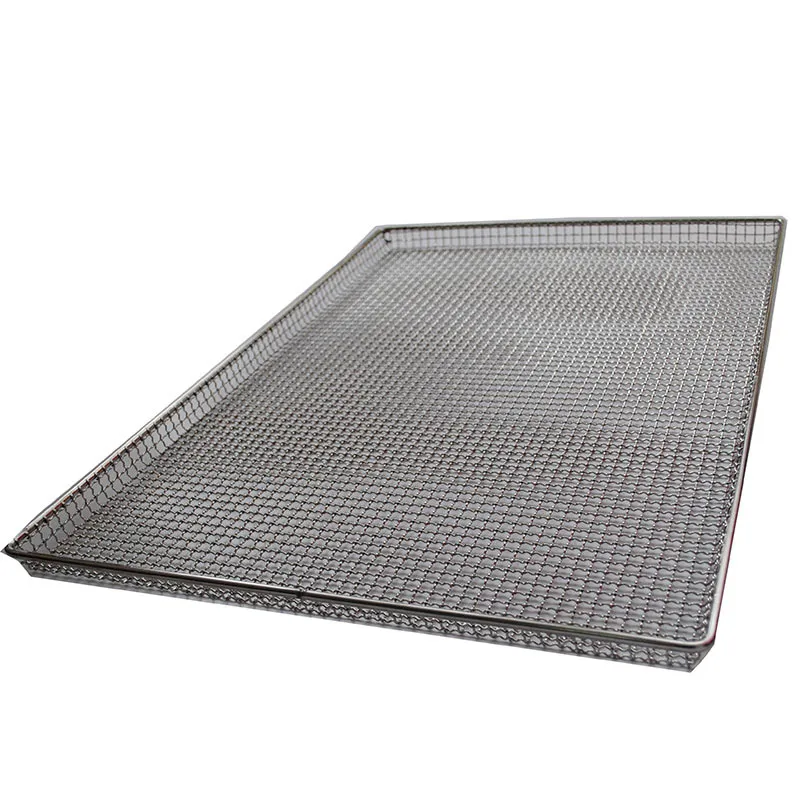
Precision-engineered stainless steel mesh providing a balance of airflow and filtration efficiency.
◆ ◆ ◆
In This Article
◆ ◆ ◆
Material Foundations and Alloy Selection
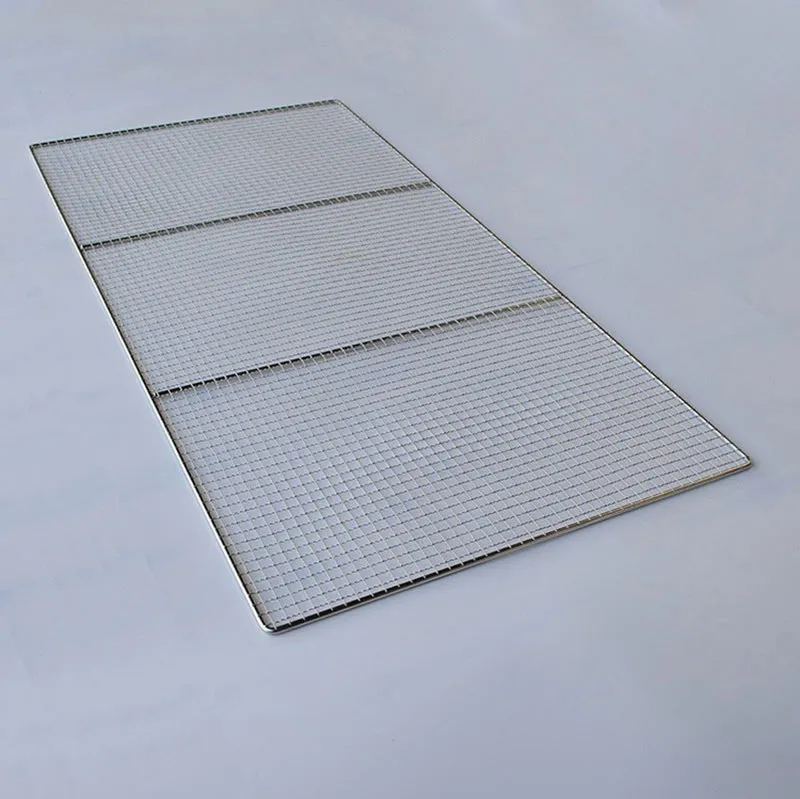
Detail of a high-tension stainless steel wire weave for maximum durability.
The performance of a metal screen begins with the chemistry of the alloy. While various metals are used in screening, stainless steel is prioritized for its passive chromium oxide layer, which prevents deep-seated oxidation. Grade 304 is the standard for general-purpose applications, offering a robust balance of cost and corrosion resistance for most inland environments.
For more extreme conditions, such as coastal regions or chemical processing plants, Grade 316 is utilized. The addition of molybdenum enhances the material's resistance to chlorides and sulfur-bearing pollutants, preventing the "pitting" effect common in lower-grade alloys. Selecting the incorrect grade often leads to premature failure despite the mesh appearing visually similar to the correct specification.
—
Technical Logic of Weave and Aperture
The aperture size—the space between the individual wires—is the primary determinant of the screen's filtration capacity and airflow. A tighter weave prevents smaller insects and airborne particles from entering, but it simultaneously increases the resistance to air passage. This trade-off must be calculated based on the specific needs of the ventilation system.
Wire diameter also plays a critical role. Thicker wires increase the structural rigidity and impact resistance of the screen, making it suitable for high-traffic areas or security-focused applications. However, increasing the wire thickness while maintaining the same aperture size reduces the "open area" percentage, which can significantly diminish the cooling efficiency of a building.
Industrial manufacturers often employ specialized weaving techniques to ensure uniform tension across the entire surface. Inconsistent tension leads to sagging or "bowing," which not only degrades the aesthetic appeal but also creates gaps at the edges where the mesh meets the frame, compromising the screen's primary function.
—
Environmental Stress and Corrosion Resistance
Corrosion is the most significant threat to the longevity of metal screens. In urban environments, sulfur dioxide and nitrogen oxides combine with moisture to create acidic deposits that can degrade the protective oxide layer of the steel. Regular maintenance and the selection of appropriate alloys are the only ways to mitigate this chemical attrition.
The true value of a stainless steel mesh is not found in its initial appearance, but in its ability to maintain structural tension and surface integrity after thousands of thermal expansion and contraction cycles in high-humidity environments.
Beyond chemical corrosion, mechanical stress from wind loads and physical impacts can cause fatigue in the wire. High-quality mesh is engineered to distribute these loads evenly across the weave, preventing localized failure. This is particularly important for large-scale industrial screens where wind pressure can reach significant levels.
—
Performance Metrics for Airflow and Visibility
Evaluating a screen's performance involves quantifying the relationship between the open area and the airflow coefficient. A higher open area generally correlates with better ventilation, but it must be balanced against the requirement for particle filtration. For instance, a screen designed for dust control will naturally have a lower airflow index than one designed solely for insect prevention.
Visibility is another critical factor, often influenced by the reflectivity of the wire surface. Electropolishing the stainless steel can reduce glare and improve transparency, allowing the screen to "disappear" from the viewer's perspective while still providing a robust physical barrier.
Figure 2. Relative Performance Index of Mesh Configurations
—
Practical Integration and Installation Variables
The effectiveness of a stainless steel screen is heavily dependent on the quality of the frame integration. If the mesh is not properly tensioned during installation, the resulting slack can lead to premature wear at the contact points. Using precision-cut frames that match the mesh dimensions exactly is essential to prevent shrinkage or warping over time.
In industrial settings, where screens may be exposed to high vibrations or repeated cleaning cycles, the method of attachment—whether through welding, crimping, or mechanical fastening—determines the long-term stability of the installation. Using food-grade stainless steel in processing areas, as seen in the specialized trays produced by Jinzehong, ensures that the screening does not introduce contaminants into the environment.
—
Evolutionary Trends in Metal Mesh Filtration
The industry is moving toward "smart" filtration, where mesh is engineered with varying densities across a single sheet to optimize airflow in certain zones while maximizing filtration in others. This gradient approach reduces the overall energy load on ventilation systems while maintaining high protection standards.
Another trend is the integration of hybrid coatings. While the core strength remains with the stainless steel, thin-film applications of PTFE or other non-stick materials are being used to prevent residue buildup, a technique common in the design of specialized baking and drying trays. This reduces the frequency of harsh chemical cleanings, further extending the life of the metal.
Sustainability is also driving the demand for 100% recyclable materials. Unlike PVC-coated fibers, pure stainless steel can be re-melted and reused indefinitely without loss of quality, making it the preferred choice for green building certifications and eco-conscious industrial projects.
—
Decision Framework for Mesh Specifications
Choosing the right specification requires a systematic analysis of the operational environment. A failure to account for the chloride levels in coastal air, for example, will lead to the failure of Grade 304 mesh within a few years, regardless of how thick the wire is.
The decision should be based on a hierarchy of needs: first, the primary function (security vs. filtration); second, the environmental stress (salinity, humidity, acidity); and third, the budget and maintenance cycle.
The following framework provides a relative comparison of common configurations to assist in the selection process.
| Environment | Recommended Alloy | Aperture Priority | Expected Life |
|---|---|---|---|
| Standard Residential | Grade 304 | Ventilation | 10-15 Years |
| Coastal / Marine | Grade 316 | Corrosion Resistance | 15-25 Years |
| Industrial Kitchen | Grade 316L | Hygiene / Easy Clean | 12-20 Years |
| Chemical Plant | High-Nickel Alloy | Chemical Inertness | 8-15 Years |
| High-Security Zone | Grade 304 (Thick) | Impact Strength | 20+ Years |
| Agricultural Drying | Grade 304 | Airflow Volume | 5-10 Years |
◆ ◆ ◆
Questions & Answers
What determines the difference between 304 and 316 stainless steel screens?
The primary difference is the addition of molybdenum in Grade 316, which provides superior resistance to chlorides and pitting corrosion. Grade 304 is suitable for most standard applications, but Grade 316 is necessary for coastal environments or areas exposed to salt spray and industrial chemicals.
How does mesh aperture affect the energy efficiency of a building?
Aperture size directly impacts the airflow coefficient. Screens with smaller apertures increase air resistance, which can force HVAC systems to work harder to maintain internal temperatures. Selecting a weave that balances filtration with maximum open area is key to reducing energy consumption.
Can stainless steel window screens be cleaned without damaging the alloy?
Yes, but it is critical to avoid chlorine-based cleaners, which can break down the passive oxide layer and lead to pitting. Neutral detergents and soft brushes are recommended. For industrial mesh, ultrasonic cleaning or specialized steam sterilization is often employed to ensure hygiene.
Why is tensioning more important for stainless steel than for aluminum?
Stainless steel has a higher modulus of elasticity and tensile strength. If not properly tensioned, it can develop permanent deformations or "oil-canning" effects. Correct tension ensures the weave remains flat, maintaining visibility and preventing the mesh from pulling away from the frame.
What is the relationship between wire diameter and visibility?
Increasing wire diameter increases the strength and security of the screen but reduces the open area. This creates a more noticeable physical barrier, which can slightly decrease visibility. High-end screens use thinner, high-strength wires to maximize transparency without sacrificing durability.
How do I identify if a screen is truly Grade 316 or a lower alloy?
Visually, Grade 304 and 316 are identical. The only reliable ways to differentiate them are through material certifications from the manufacturer or chemical testing (such as XRF analysis), which detects the presence of molybdenum in the alloy.
◆ ◆ ◆
Final Thoughts
The selection of a stainless steel window screen is an exercise in balancing conflicting technical requirements. By aligning the alloy grade with the environmental stress and the weave density with the airflow needs, operators can significantly extend the service life of their installations.
As material science evolves, the integration of customized mesh solutions—similar to the precision engineering found in industrial filter elements and baking trays—will continue to redefine the standards for architectural and industrial screening.
