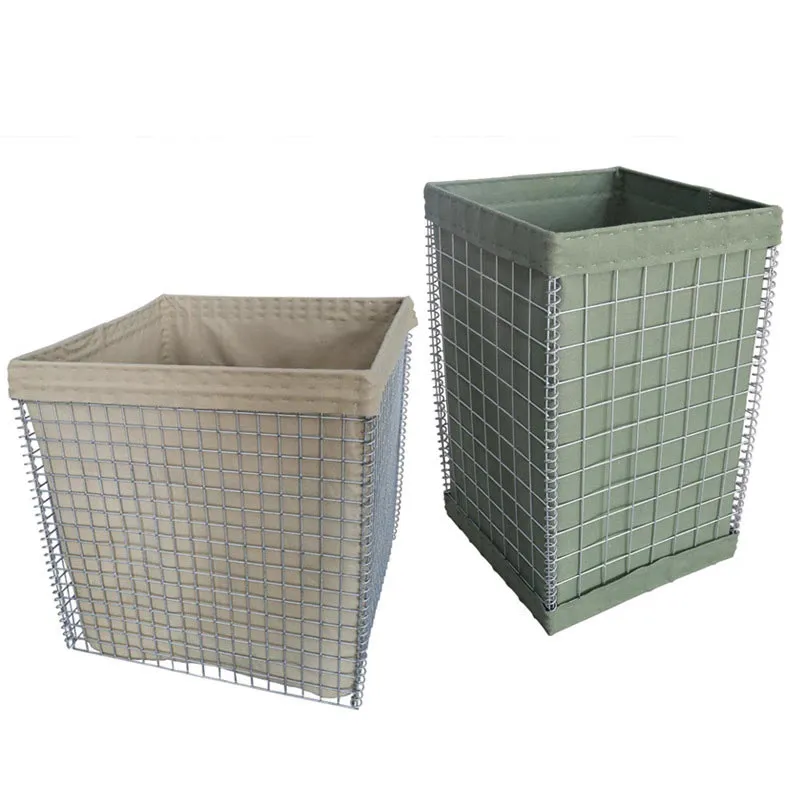

Defensive barrier
The defensive barrier is made from Q235 steel wire with galvanized or high-zinc coating. It features 76.2 mm × 76.2 mm openings and a 3–5 mm wire diameter. Suitable for building temporary bunkers, pre-war headquarters, and fortifications to reduce casualties, as well as for quickly constructing flood-control walls to replace traditional sandbags and for defense training in real combat environments.
Product Description
A defensive barrier (also known as an explosion-proof wall, explosion-proof cage, explosion-proof net, or Hesco Barrier) is a modular, rapidly deployable protective system that combines a metal frame with a high-strength geotextile structure. It is filled with sand, gravel, soil, and other fill materials to form a rigid barrier. The system is widely used in military defense, flood prevention and disaster mitigation, temporary fortification construction, and other applications. Its design focuses on operational efficiency, durability, and flexible adaptability, and it serves as a modern alternative to traditional sandbags.
Product Specification
Model | Height | Width | Length | Number of units |
Epc1 | 1.37 m | 1.06 m | 10 m | 9-link frame (4 + 5) |
Epc2 | 0.61 m | 0.61 m | 1.22 m | 2 frames |
Epc3 | 1.00 m | 1.00 m | 10 m | 10-piece frame (5 × 2) |
Epc4 | 1.00 m | 1.52 m | 10 m | 10-piece frame (5 × 2) |
Epc5 | 0.61 m | 0.61 m | 3.05 m | 5-piece frame (5 × 1) |
Epc6 | 1.68 m | 0.61 m | 3.05 m | 5-piece frame (5 × 1) |
Epc7 | 2.21 m | 2.13 m | 27.74 m | 13-piece frame (4 + 4 + 5) |
Epc8 | 1.37 m | 1.22 m | 10 m | 9-link frame (4 + 5) |
Epc9 | 1.00 m | 0.76 m | 9.14 m | 12-piece frame (6 × 2) |
Epc10 | 2.12 m | 1.52 m | 30.5 m | 20-piece frame (5 × 4) |
Epc11 | 1.22 m | 0.30 m | 1.22 m | 2-piece frame (2 × 1) |
Epc12 | 2.13 m | 1.06 m | 33 m | 30-piece frame (5 × 6) |
Epc100 | 2.74 m | 1.06 m | 3.18 m | 3-piece frame (3 × 1) |
Product Features
The core advantages of explosion-proof cages are effective protection, flexible deployment, and adaptability across multiple scenarios. The design is always focused on “protecting personnel and reducing explosion hazards,” and it is widely used in public safety, industrial production, and military applications.
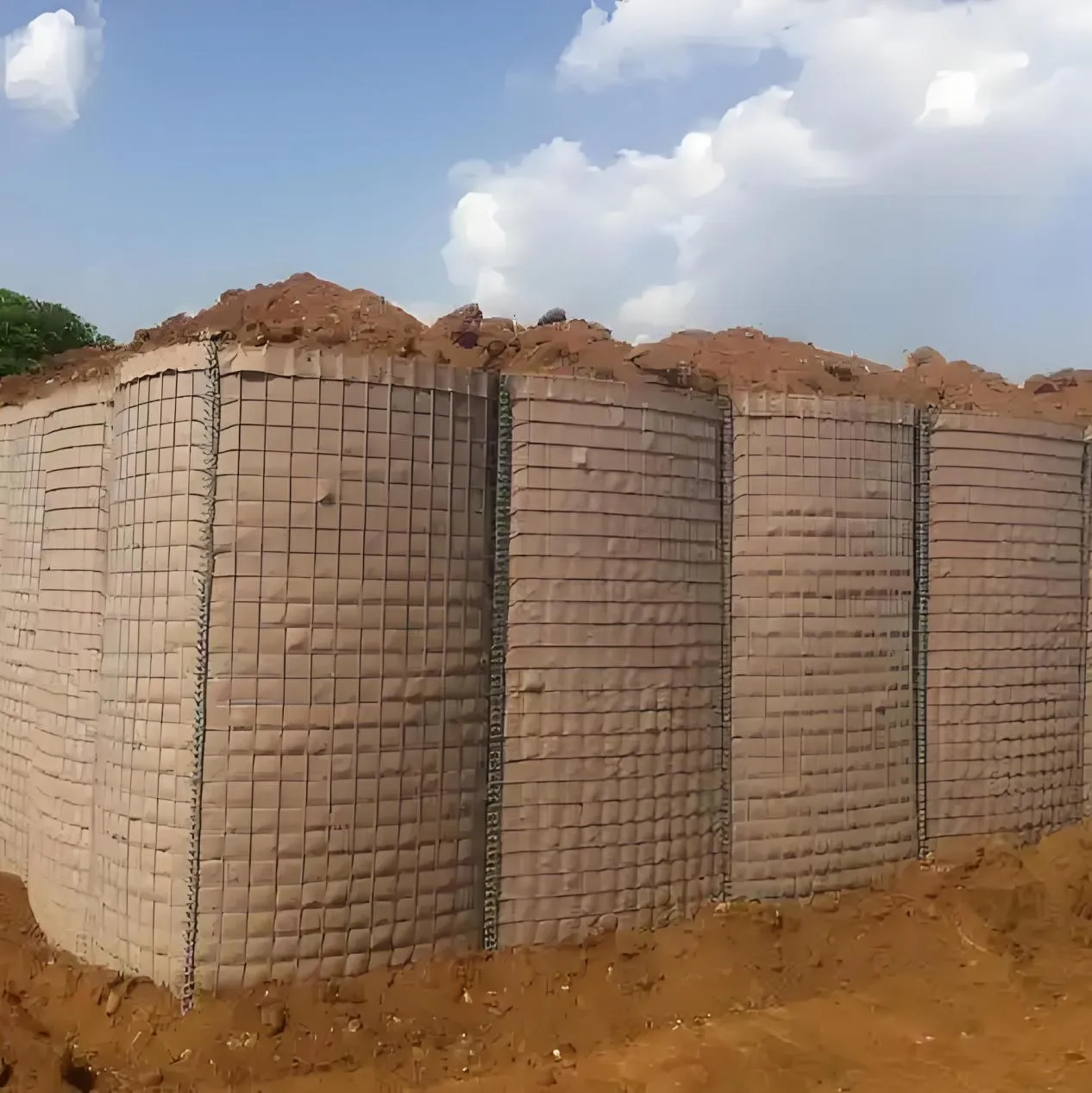
Product application
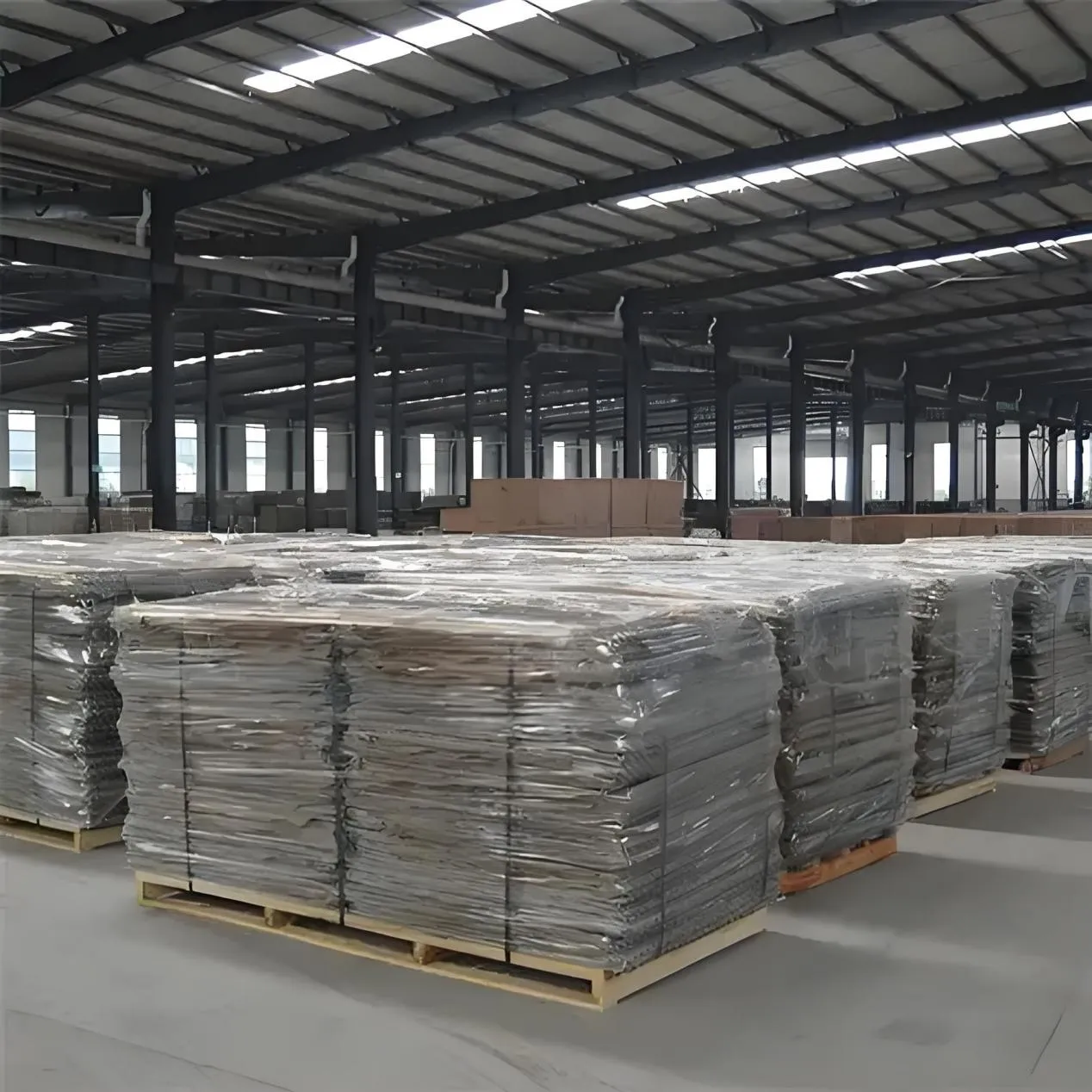
Product package
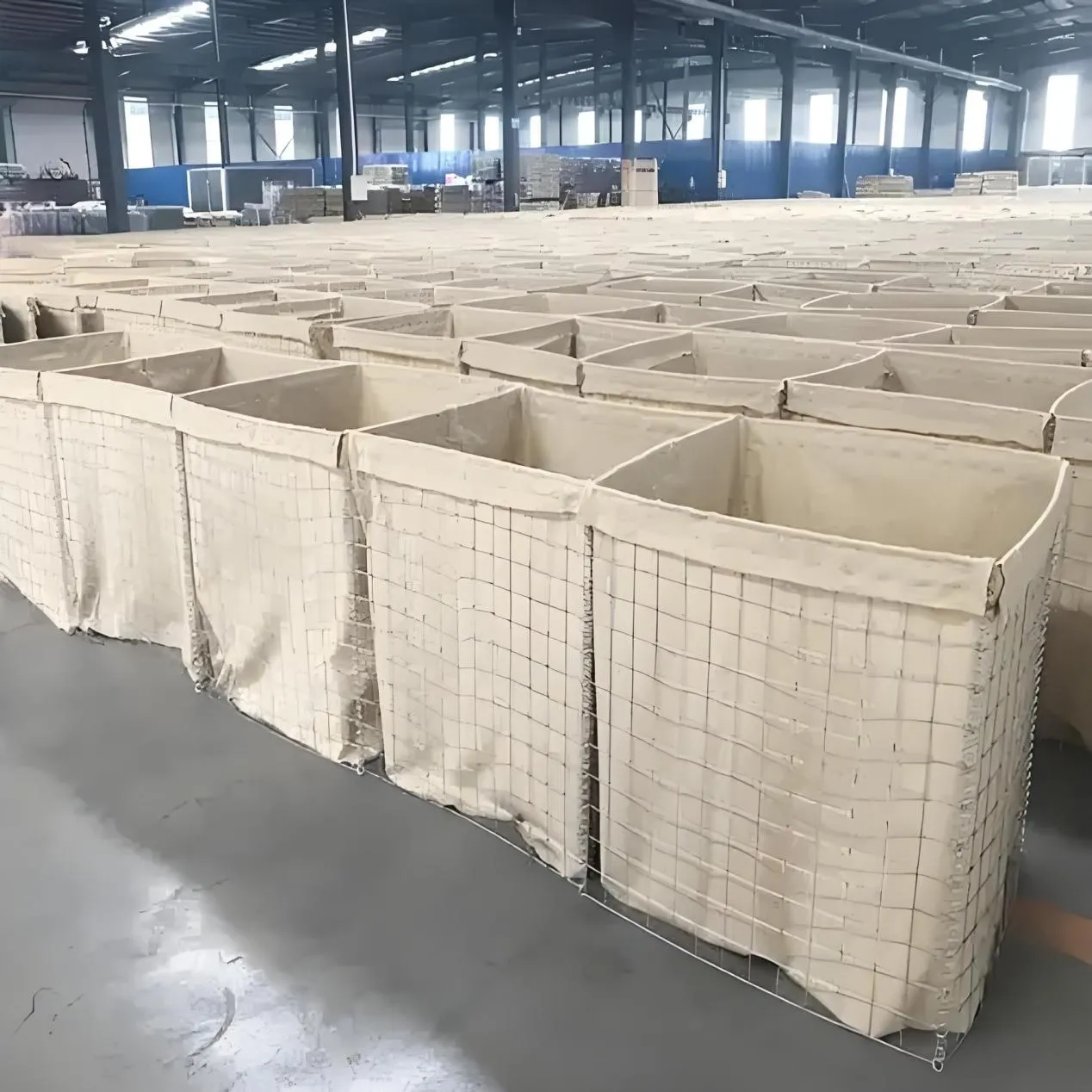
Our stock
Explosion-Proof Cage FAQ
What is an explosion-proof cage?
An explosion-proof cage is a specially designed metal enclosure used to protect personnel and equipment from explosions, or to safely contain hazardous materials. It is commonly used in environments with flammable gases, vapors, or dust.
What materials are used to manufacture explosion-proof cages?
Explosion-proof cages are typically made from high-strength steel or stainless steel, using durable welding and reinforced mesh structures. Surface treatments such as galvanizing or powder coating enhance corrosion resistance and durability in harsh operating conditions.
What are the main applications of explosion-proof cages?
These cages are widely used in chemical plants, oil and gas facilities, mining operations, battery storage areas, and any industry involving explosive or hazardous substances. They help isolate dangerous equipment and reduce explosion risks.
Can explosion-proof cages be customized?
Yes. We can customize dimensions, mesh patterns, door types, ventilation options, locking mechanisms, and mounting systems, depending on the safety requirements and space constraints of your facility.
How do explosion-proof cages enhance safety?
The cage acts as a physical barrier to help contain potential explosions or equipment failures, thereby reducing the risk of injury, fire, or structural damage. It also provides a clearly visible safety zone and supports industrial safety compliance requirements.
Write your message here and send it to us
